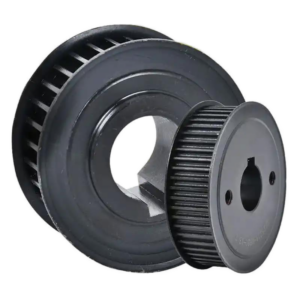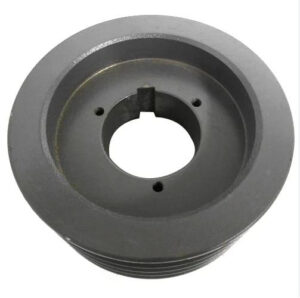
In modern industrial production, transmission equipment plays a vital role in power transfer, speed regulation, and motion control. Transmission equipment components are essential elements that ensure the stable, efficient, and long-term operation of the entire transmission system. Common components include couplings, pulleys, sprockets, gears, bearings, synchronous belts, and related accessories, which are widely used in machinery manufacturing, mining, metallurgy, chemical processing, material handling, and automated production lines.
Core Functions of Transmission Components
The primary function of transmission components is to connect, transmit, and adjust power between different parts of a machine. For example, couplings are used to connect two shafts and compensate for axial, radial, or angular misalignment. Pulleys and timing wheels transmit power through belts, offering smooth operation, low noise, and simple structure. Gears and sprockets, on the other hand, are suitable for high-torque and heavy-load applications, providing high transmission efficiency and strong reliability.
Impact on Equipment Performance
High-quality transmission components can significantly improve overall equipment performance while reducing downtime and maintenance costs. Well-designed and precisely manufactured components minimize vibration, energy loss, and wear, thereby extending the service life of both the transmission system and the main equipment. In contrast, improper selection or poor-quality components may lead to excessive wear, increased noise, and even unexpected equipment failure.
Materials and Manufacturing Technology
Transmission components are typically manufactured from carbon steel, alloy steel, stainless steel, cast iron, or engineering plastics. Advanced processes such as forging, casting, CNC machining, and heat treatment are used to enhance strength, durability, and wear resistance. With the continuous development of industrial technology, higher precision machining and surface treatment techniques are increasingly applied to meet the demands of high-speed, heavy-duty, and long-life applications.
Proper Selection and Maintenance
Proper selection of transmission equipment components should take into account factors such as load capacity, operating speed, working environment, and installation conditions. In addition, regular inspection, lubrication, and timely replacement of wear parts are critical to maintaining reliable operation. Scientific maintenance practices not only reduce the risk of sudden failures but also improve overall production efficiency.
Conclusion
Although transmission equipment components are often small in size, they play a crucial role in the performance and reliability of industrial systems. As industrial automation and intelligent manufacturing continue to advance, higher requirements are being placed on the precision, reliability, and customization of transmission components. Choosing the right transmission equipment components is a fundamental step toward ensuring efficient operation and sustainable industrial development.