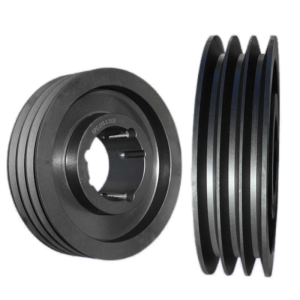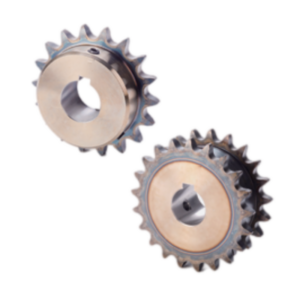
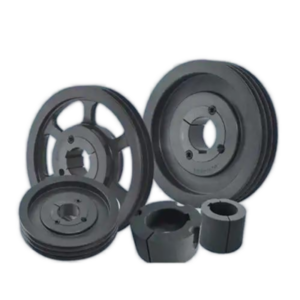
Mechanical transmission components are critical parts of industrial equipment. Their performance and service life directly affect the stability and safety of the entire machine. However, during long-term operation or storage, these components are prone to oxidation and corrosion, which can cause increased wear, reduced precision, or even complete failure. Therefore, implementing effective anti-rust measures is an essential part of mechanical engineering.
1. Causes of Rust in Mechanical Transmission Components
- High humidity in the environment
Moisture in the air comes into contact with metal surfaces and triggers oxidation. - Corrosion caused by salt spray or chemicals
Environments such as coastal areas or chemical plants contain high levels of salts or acidic/alkaline substances that accelerate corrosion. - Insufficient surface oil film
During processing, transportation, or storage, if the protective coating is damaged or the oil film is insufficient, exposed metal surfaces rust easily. - Improper storage
Outdoor stacking, poor ventilation, or temperature fluctuations causing condensation can all lead to rust.
2. Common Anti-Rust Methods for Mechanical Transmission Parts
1. Surface Treatment Techniques
- Electroplating (zinc, nickel, chrome): Forms a protective layer that blocks moisture and oxygen.
- Phosphating: Enhances adhesion of oil films, commonly used for gears and bearing sleeves.
- Black oxide (bluing): A low-cost option suitable for carbon steel parts.
- Paint or powder coating: Often used for large transmission parts such as pulleys and sprockets.
2. Protective Rust-Preventive Oils or Agents
- Volatile corrosion inhibitor (VCI) oils: Ideal for sealed packaging during storage or shipping.
- Oil-based rust-preventive coatings: Commonly applied to shafts, gears, and precision components.
- Anti-rust grease: Provides long-term protection for idle machinery or outdoor equipment.
3. Design Improvements to Reduce Rust
- Adding drainage grooves or sealing structures to prevent moisture accumulation.
- Selecting stainless steel or corrosion-resistant materials.
- Designing sharp corners or recesses into smoother slopes or rounded surfaces to avoid water retention.
4. Storage and Transportation Measures
- Maintain dryness: Warehouses should be ventilated and protected against moisture and condensation.
- Use desiccants inside packaging.
- Apply anti-rust films, papers, or bags.
- Avoid storing components near corrosive substances.
3. Common Anti-Rust Materials and Products
- VCI bags, films, and papers
- High-performance rust-preventive oils (short-term, medium-term, long-term)
- Nano-inhibitor sprays
- Anti-rust greases (for chains, gears, bearings)
Different products suit different scenarios, and choosing the right protection method based on storage period, transportation method, and environmental conditions is crucial.
4. Practical Application Cases
- Export machinery
Due to severe salt-spray corrosion during sea transportation, a combined solution is typically used: phosphating + heavy-duty anti-rust oil + vacuum packaging + VCI film. - Long-term inventory of transmission parts
Oil-sealed packaging + desiccants + VCI paper can effectively prevent rust for 6 to 12 months. - Outdoor construction machinery
Components such as sprockets and racks exposed to the environment perform better with weather-resistant coatings plus periodic lubrication.